

When an Automatic Door Starts Hesitating: Small Warning Signs Before It Stops Working
When an automatic door starts hesitating, it’s warning you that... Read more →

Home » Automatic Door Maintenance » When an Automatic Door Starts Hesitating: Small Warning Signs Before It Stops Working
When an automatic door starts hesitating, it’s warning you that a sensor, motor, or track problem is developing. That half-second pause usually grows into a door that stalls halfway, then one that doesn’t move at all.
Most owners wait for the full failure before they ring anyone. At Enfant Terrible Shop, we service automatic doors and gates for homes and businesses across Sydney and Perth, and by the time most people call, the cheap adjustment has already passed.
This guide covers the delays, sounds and movement faults worth acting on, what a service visit prevents, and which faults count as an emergency. You’ll also see how common garage door problems match up with their likely causes.

Most automatic doors and gates give weeks of small warnings before they stop working completely. Those warnings turn up in three places: the sensors that detect you, the drive that moves the panel, and the hardware guiding it along.
Each one feels different, so knowing which is which tells you early whether you need a quick tweak or a proper repair.
When the sensor checks out fine but the door still lags, the fault is mechanical.
A late sensor usually means dust, cobwebs, or a knocked lens instead of a dead unit. The beam still fires, but the controller reads a weak signal and waits before it opens. Because of this, you reach the door before the door reaches you. The same issue also shows up as a door that opens for nobody, and both faults point to the same cause.
Still, wiping a dry cloth across each lens clears a surprising share of callouts (dust gathers fastest on lenses near the ground). If cleaning changes nothing, the alignment needs a technician, since a beam sitting a few millimetres off reads an empty doorway as blocked.
Slow or jerky travel points at the belt, the rollers, or a door motor working harder than it should. Any panel that drags on one side has usually shifted in its track. These early door replacement signs can also point to alignment problems that need professional attention.
In practice, that extra load heats the motor and cuts months off its working life. You’ll hear it straining well before the door quits, and that’s the cheapest moment to act.
Regardless of type, sliding doors, roller doors, and gates all show the same symptom (same drag, different hardware sitting underneath each door type). Re-levelling the panel and resetting the tension stops the motor from fighting weight it was never sized for.
New sounds tell you exactly where the wear sits. A dry rattle comes from rollers, a grinding hum comes from the gearbox, and a sharp click each cycle points at the chain.
Anyone who services door operators daily treats grinding as the urgent one, because gearbox damage spreads through the whole door opener. Rattles and squeaks usually need lubrication and nothing more.
If you’ve ever stood under a roller door that squeals every morning, you already know that noise only gets louder. Booking it early is the difference between a lubrication visit and a new gearbox.
Small adjustments during a service stop wear before it damages the motor and sensors. On any auto door, most of the visit is measurement: spring tension, alignment, travel limits, and the safety reversal.
Three checks inside that visit do most of the work for your door’s lifespan.
Technicians who test reversals daily will tell you a door stopping short of the floor is usually a travel limit that’s drifted instead of a dying opener. In fact, residential garage door operators in the United States have had to reverse on contact since 1993 under federal entrapment rules. A reversal left out of adjustment fails that same standard locally.
Booking periodic maintenance once a year costs far less than a single after-hours call-out. Shopfronts across Sydney schedule their servicing and automatic door maintenance for that reason, and a calendar reminder will make sure the small faults get caught while they’re still small.
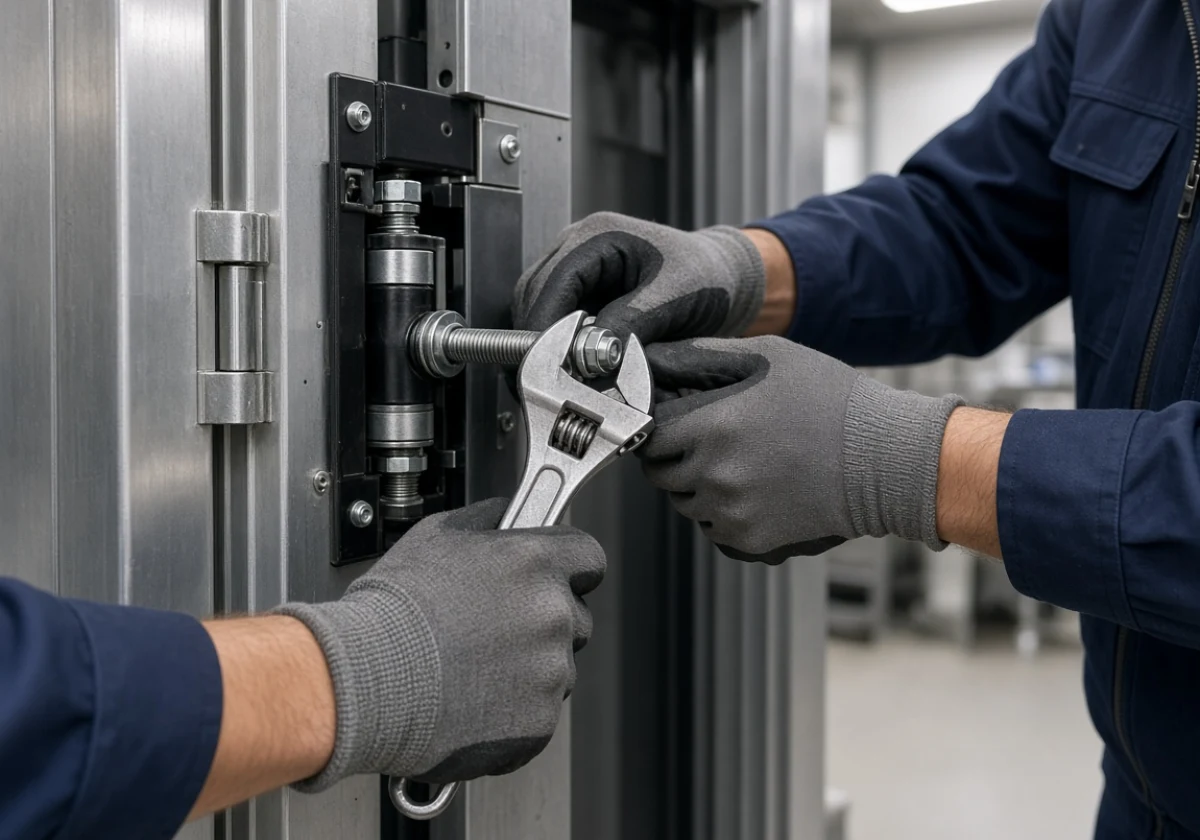
Catching these problems early usually means a cheap adjustment rather than a new motor. The same logic applies here, because motors, tracks, and safety sensors all wear the same way as their commercial counterparts.
Match what your door’s doing against the signs below before you book anything.
| Warning Sign | Likely Cause | What To Do Next |
|---|---|---|
| Reverses just before it closes | Dirty or misaligned safety beam | Clean both lenses, then run it again |
| Loud bang, then no lift at all | Broken springs | Stop using it and book emergency repairs |
| Opens unevenly or sits crooked | Worn cable or bent track | Book a garage door repair this week |
| Opener runs, panel stays put | Stripped gear in the automatic door opener | Ask about parts for your automatic garage door |
Two of those four need same-day door repair, so don’t leave them sitting. Of course, a snapped garage door spring is the clearest of them, because the panel’s whole weight then hangs on a cable and an opener built for none of it.
Preventative automatic door maintenance follows the same sequence regardless of door size. Sectional panels and roller doors fail in the same order, so this checklist works for both.
A door that hesitates can wait a few days, but a door that traps people or won’t lock can’t. If the opening sits blocked, the panel hangs crooked, or a shopfront entry won’t secure overnight, call us that day instead of booking ahead.
Everything else suits scheduled maintenance, which costs less and lands at a time that works for you. Door repair services in Perth and Sydney usually quote their call-out up front. Ask for the price in writing before any work starts.
When you get in touch, describe the sound, when it started, and whether the door still moves. That detail lets the team load the right parts, and it often saves a second visit. Otherwise, you risk waiting half a day for a part sitting 20 minutes away. So keep a simple record of all past repairs.
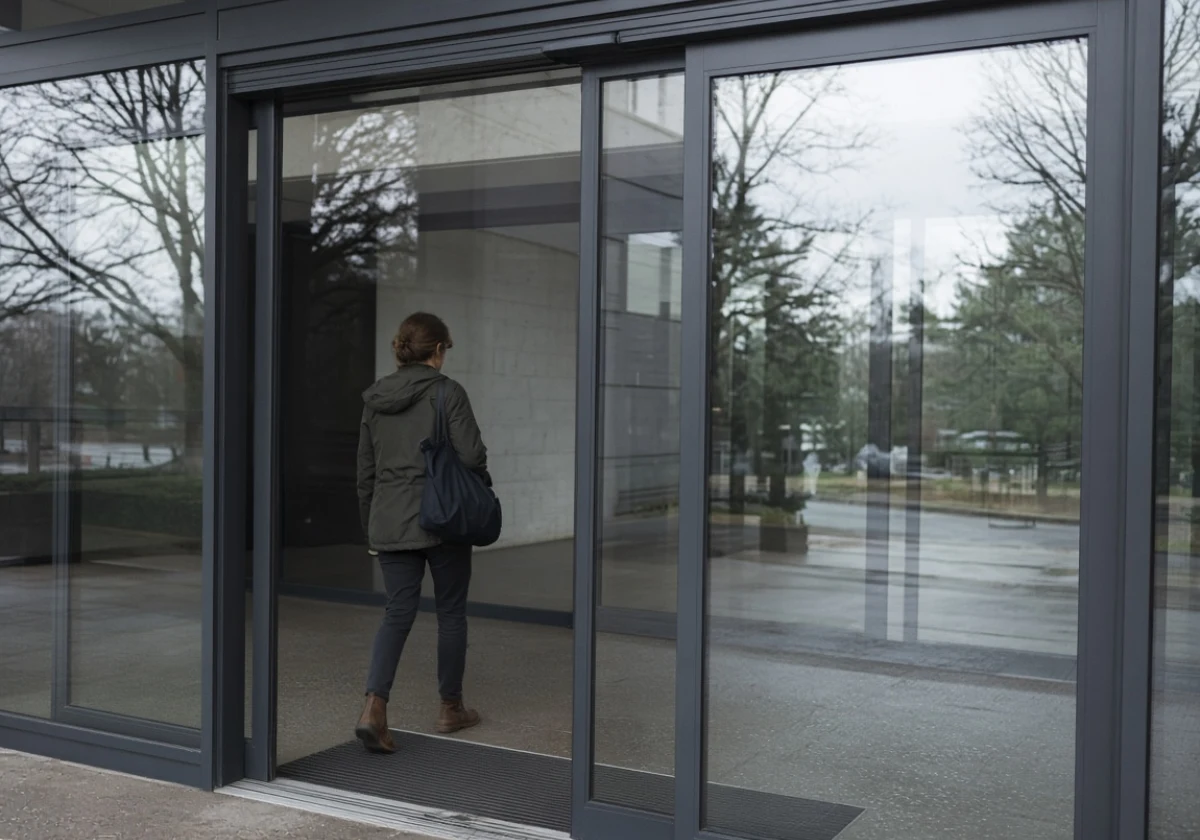
A door that hesitates is the cheapest problem you’ll ever have with it. Every week you wait, the fault travels further into the system, from the sensor into the motor.
Listen for the new noise, watch the first slow cycle, and book the visit while it’s still an adjustment. Your doors and gates will run for years longer, and you’ll get real peace of mind.
Enfant Terrible Shop services automatic doors and gates for residential and commercial sites across Sydney and Perth. Contact us to book a service before the hesitation becomes a breakdown.


When an automatic door starts hesitating, it’s warning you that... Read more →
Most Australian homeowners assume a security door is only for... Read more →
Security doors protect homes against modern burglary risks by putting... Read more →
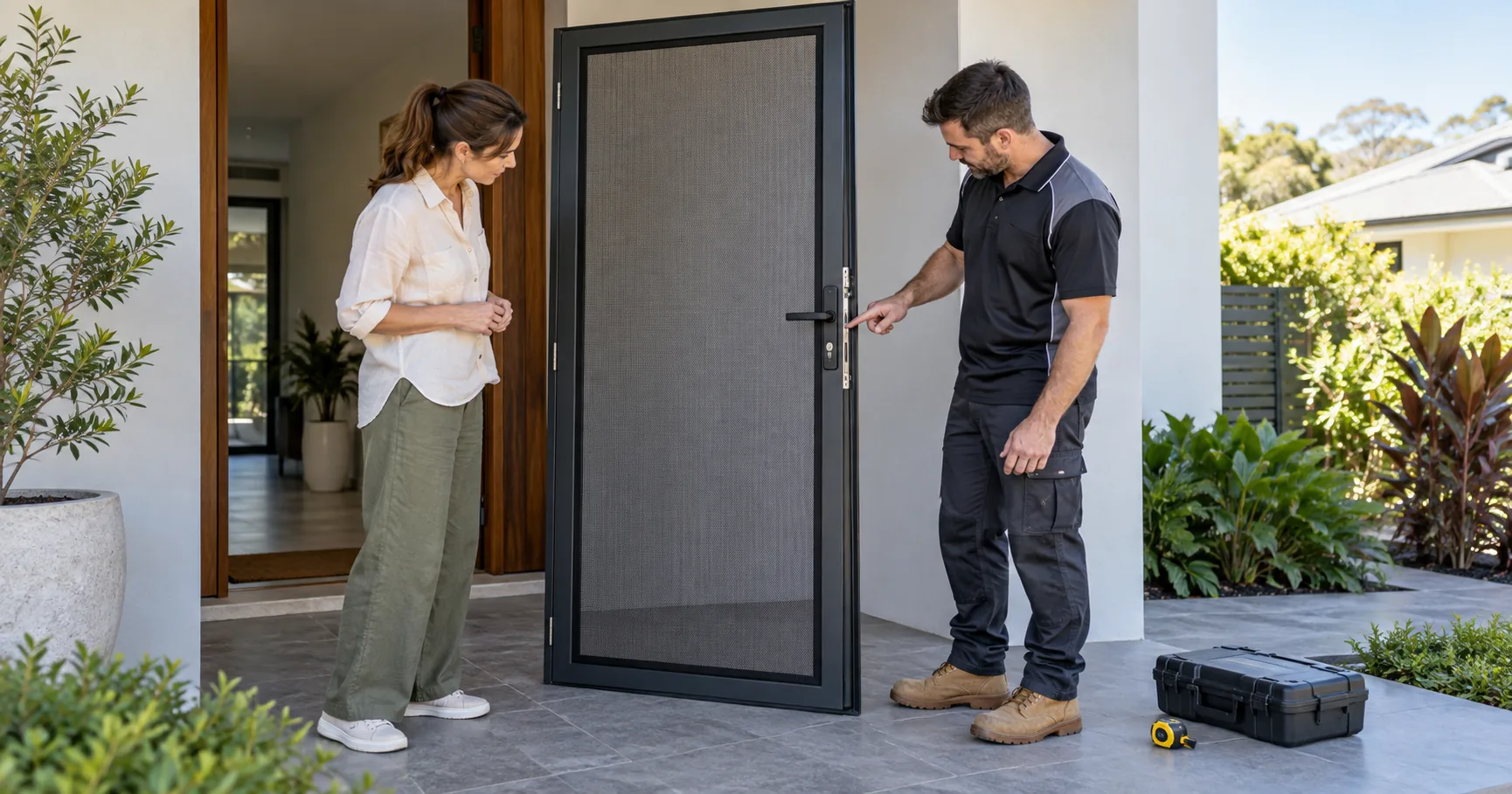
Most people shopping for a security door don’t know what... Read more →
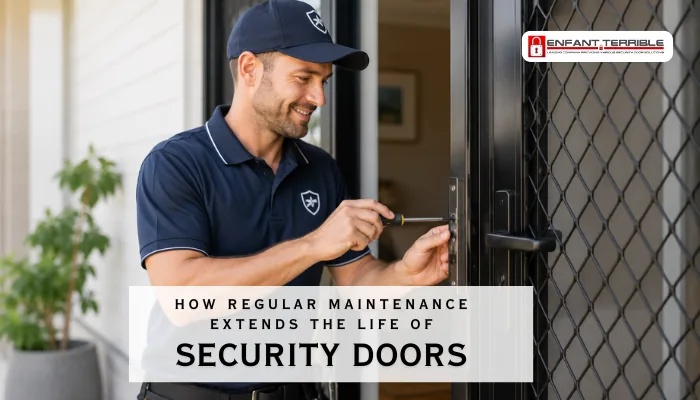
Security doors work hard for your home. They protect your... Read more →
Our team of qualified professionals lets us provide the highest quality products and services for our customers. We believe in collaboration and innovation. We manufacture security doors following highest standards and ensure that they are robust enough to last many years.