Security Door or Barrier Door? What Are You Really Being Quoted For?
Most Australian homeowners assume a security door is only for... Read more →

Home » Door Guide » Security Door or Barrier Door? What Are You Really Being Quoted For?
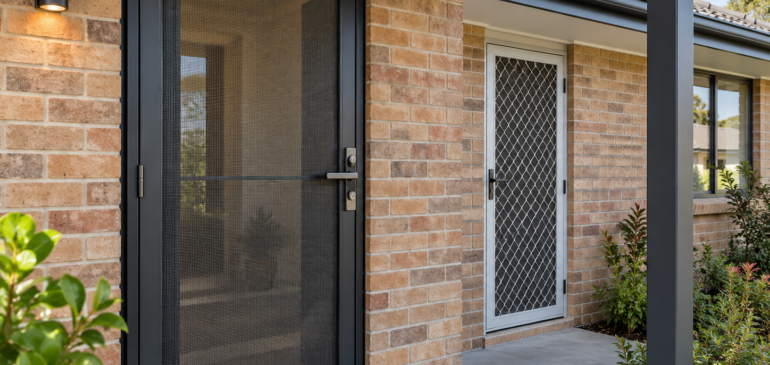
Most Australian homeowners assume a security door is only for the house’s security. That’s not the whole part of the story, however. You are only getting a genuine one if the door meets Australian Standard AS 5039. The choice is straightforward: either you have a door that passes that standard, or you have a barrier door, a decorative diamond grille, or a flyscreen wearing a security label.
That gap costs homeowners a good chunk of money. Look, two doors can look identical in a showroom and perform nothing alike once someone puts pressure on the frame. At the end of the day, most people discover which one they bought on the worst possible night.
This guide covers what the standard tests are, what drives the price, and how to read the product details on your quote before you sign. Let’s start with the basics.
Retailers sell many barrier doors as security doors, yet those doors fail every test in AS 5039. A barrier screen keeps flies out and toddlers in. It was never built to withstand a physical attack. Some sellers call the same panel a safety door, and that word sounds close enough to settle most buyers.
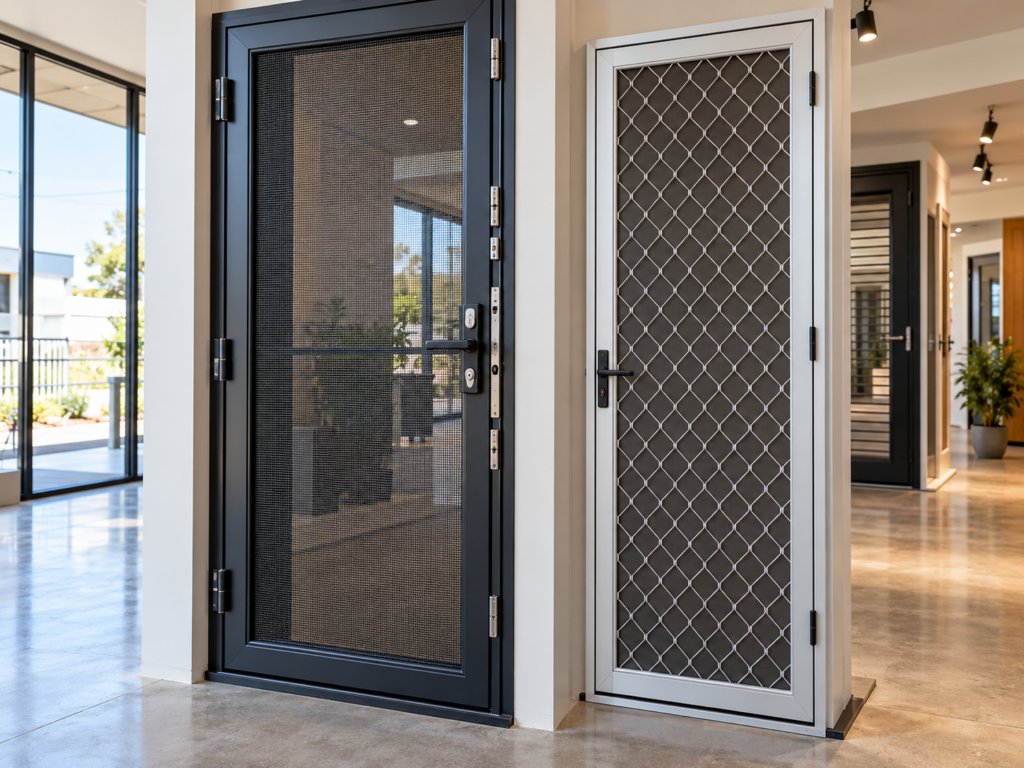
What else is confusing: showrooms stack the two types on the same rack. So the label does the selling, and the mesh, frame and lock go unchecked.
However, some quick checks separate a tested product from a lookalike. Each one takes about a minute while you stand in front of the display.
A certified security screen door needs tested security mesh, a one-piece frame, and a three-point security door lock that keeps the panel seated when someone pushes hard. Mesh, frame and fixings share the load, so one weak fixing drags the whole product under the standard.
Beyond the hardware, the door carries a compliance label naming AS 5039, the maker and the test date. We’ve lifted labels off doors that named a mesh brand and nothing else (a brand name is not a standard).
Hinges complete the setup. Three heavy-duty hinges with fixed pins prevent anyone from lifting a door off its mount within a moment. Together, they ensure your security screen door holds firm under real pressure, and it ultimately gives your home reliable, lasting protection.
Woven marine-grade stainless steel mesh or perforated sheet sits inside a clamped frame on a security screen. Flyscreens hold fibreglass that a house key opens in seconds. In contrast, Window screens on the same house split the same way, tested or not.
Weight tells you most of the story. One flyscreen panel on a standard opening weighs about a kilogram, whereas a tested mesh door covering the same opening weighs five to eight times that.
That weight difference shows up in the price as well. Any quote pricing a security screen door near flyscreen money is quoting you the lighter panel (no mill makes cheap tested mesh).
Read the product description line before you read the price, because that one line shows whether the word security carries a test behind it or just sells the job.
Certified quotes name AS 5039 for the door and AS 5040 as the installation standard, and also specify the mesh type and frame thickness in millimetres. Loose wording such as heavy-duty aluminium, barrier doors and screen doors, by contrast, can describe almost anything with a handle.
Pro Tip: Ask the salesperson to write the standard number onto the quote. Every supplier we’ve worked with at Enfant Terrible either does it on the spot or starts explaining why the number doesn’t apply to them.
With the sales language sorted, testing is what gives those numbers weight. The relevant Australian Standards set the classification and performance rules, and a single sample has to pass the lot.
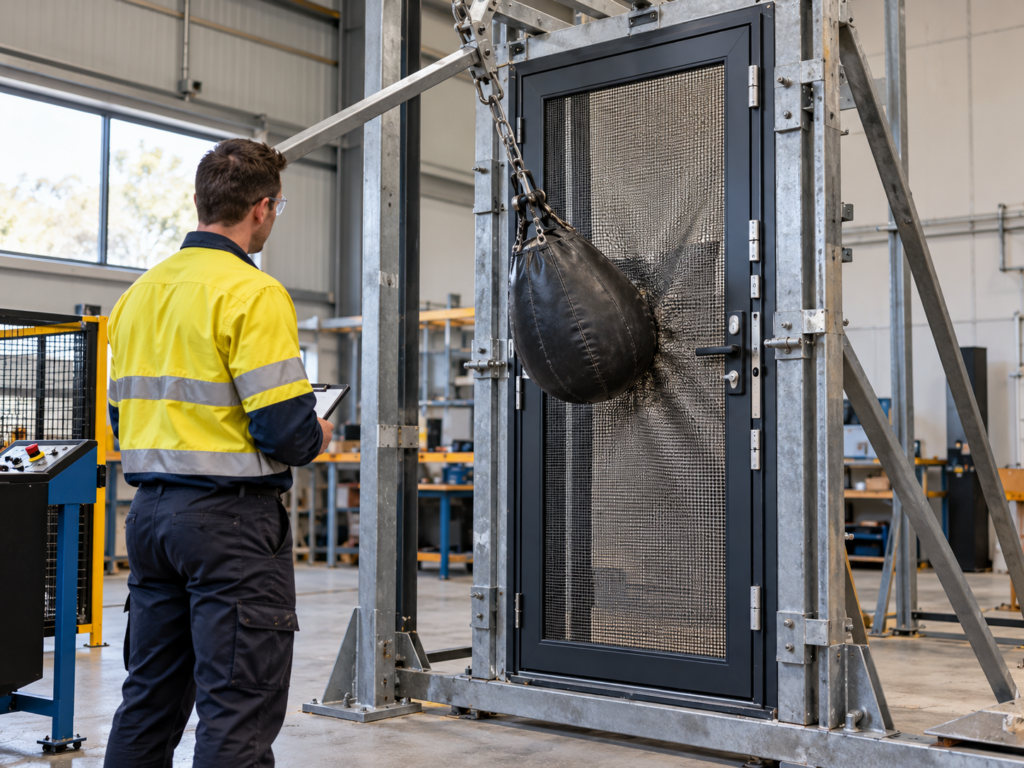
Standard AS5039 covers the door itself, as we’ve already mentioned. AS 5040 governs security door installation, and AS 5041 holds the test methods. Those three door standards work as a set altogether.
What’s more, run through what a lab puts a door through before it earns a label. Each following stage applies mechanical force from a different angle, so no panel passes by being strong in one spot alone.
Bottom line: A door that skips one test skips certification completely, whatever the brochure calls it. Ask for the test report number rather than trusting a sticker on the glass.
Paying more for a certified door buys tested mesh and a reinforced frame. Standards don’t set prices, though tested materials and heavier sections cost more to build into every opening you cover.
Mesh drives the biggest share of that number. Woven 316 mesh runs roughly three times the price of perforated aluminium sheet per square metre, and it holds its corrosion resistance within a few kilometres of the surf. Aluminium suits inland homes on a tighter budget, yet it dents under an impact the woven product shrugs off.
Frames carry the second cost. Certified doors use 1.5 mm to 2.0 mm extruded aluminium with welded corners, while barrier frames often drop to 1.0 mm and flex at the lock. Security screens for windows are priced the same way, by mesh type and frame section rather than by the size of the opening.
Fitting adds the rest, usually $150 to $350 per opening, because fixings have to reach the structural reveal instead of the architrave. Honestly, a standard security door priced below that range has the labour hidden somewhere else.
Put the two products side by side before you choose. Both fit the same opening, and both keep flies out, so the decision comes down to what each one survives. Think about the whole house too, because home security fails at whichever opening gets the least attention. The table below summarises the entire thing:
| Feature | Certified Security Door | Barrier Door |
|---|---|---|
| Mesh | Stainless steel or perforated sheet | Light aluminium or fibreglass |
| Frame | 1.5 mm to 2.0 mm, welded corners | 1.0 mm, screw-joined |
| Testing | AS 5039 impact, knife shear, jemmy | None required |
| Lock | Three-point | Single latch |
Remember that older homes with timber reveals need packing and longer fixings. A certified installer accounts for both before taking any security door consideration. It’s highly important since established Queenslanders are rarely perfectly square.
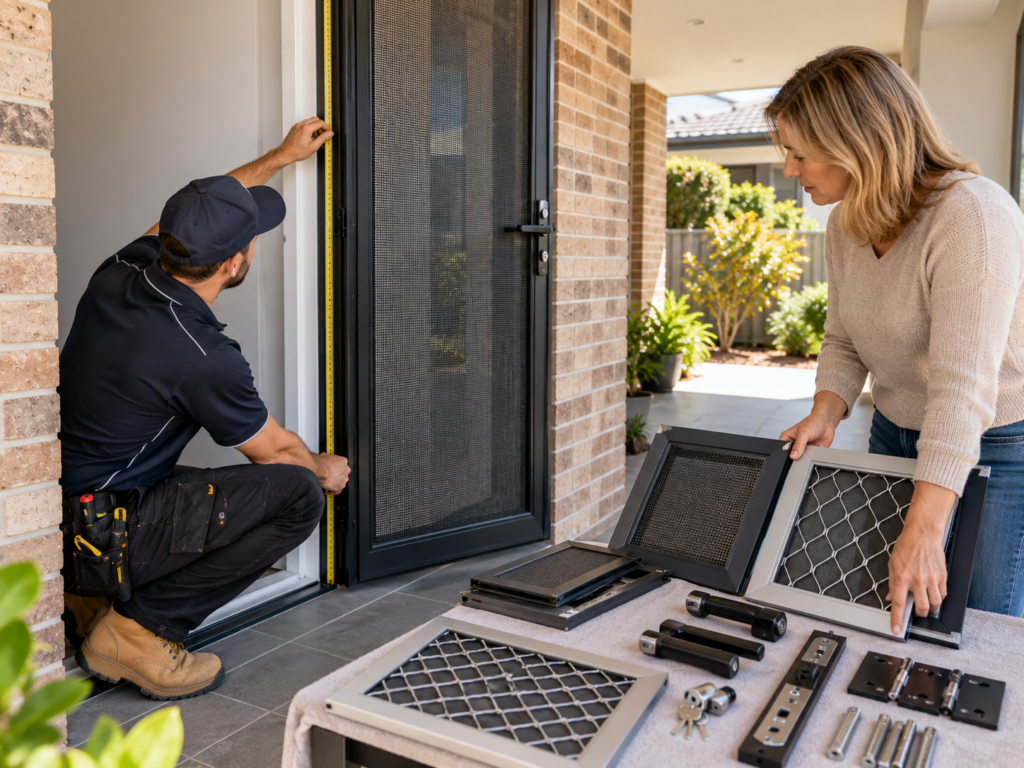
Savings Tip: Renovators replacing several openings at once will generally secure the best rate per door.
Searching for a security door Australia-wide throws up hundreds of listings, and plenty of them dodge the number. A quote naming AS 5039 and AS 5040 tells you exactly which product lands at your house.
So, always ask for the standard, the mesh type and the test report before you hand over a deposit. Any supplier confident in their security screens puts all three in writing without being chased.
Enfant Terrible supplies certified security doors and screens for homeowners across Australia. Contact us to book a measure and quote, and get the standard written on the page.
Most Australian homeowners assume a security door is only for... Read more →
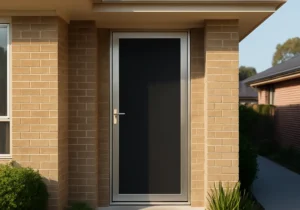
Security doors protect homes against modern burglary risks by putting... Read more →
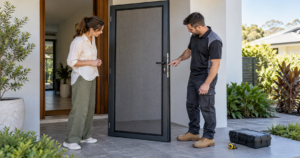
Most people shopping for a security door don’t know what... Read more →
Security doors work hard for your home. They protect your... Read more →
Modern security doors have come a long way from the... Read more →
Our team of qualified professionals lets us provide the highest quality products and services for our customers. We believe in collaboration and innovation. We manufacture security doors following highest standards and ensure that they are robust enough to last many years.