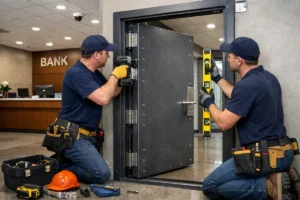
Why Professional Installation Matters for Door Security
Professional door installers bring the technical knowledge needed to keep... Read more →

Home » Door Guide » What Makes a High-Quality Security Door Worth the Investment
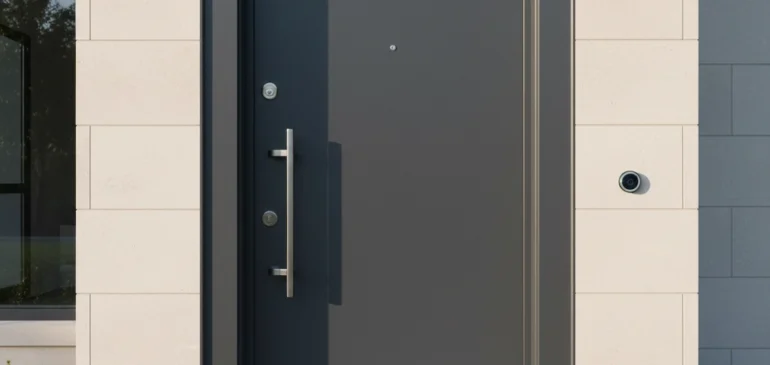
Door entry accounts for 40.9% of residential burglaries in Australia. That’s undoubtedly a frightening number. The reality is, not all security doors actually stop intruders when they attack your home.
That’s where quality comes in. Real protection separates genuine security screens from decorative door covers that crumble under pressure. Higher-quality materials, tested construction methods, and proper standards create barriers that hold firm during break-ins.
In this guide, you’ll learn what makes security doors worth the investment. We’ll explore construction standards, premium features, and long-term value. Ready? Let’s get started.
Quality security doors meet construction standards and use materials that prevent forced entry, while cheap alternatives fail when tested by intruders. Poor-quality doors offer false security during break-ins. On the flip side, premium security doors withstand sustained attacks using pry bars and kicks without giving way.
What’s more, quality construction prevents warping, rust, and mesh sagging that plague cheap doors within months of installation. Coastal humidity, intense sun, and daily use quickly expose weak materials. Stainless steel mesh resists corrosion in Brisbane’s humid climate, while cheaper aluminium starts degrading within a year.
Here’s the thing. Insurance companies recognise quality-certified doors and may reduce your premiums because of them. But inferior doors can actually void your coverage during claims (this happens more often than you’d think). So the security doors you choose determine whether you’re genuinely protected or just paid for fancy decoration.
The best part about standards certification is that you get doors that passed genuine testing, not just marketing claims from manufacturers. These standards cover everything from frame strength to mesh durability. That’s really important to ensure that your security doors actually protect your home when intruders attack.
Now, let’s walk you through what Australian Standards actually test for.
Aluminium grade determines whether frames bend under pressure or hold firm against forced entry attempts by determined intruders. Wall thickness in the door frame separates decorative doors from genuine security barriers that protect your home properly.
Here’s why this is important. Manufacturers cutting corners use thin-walled aluminium that looks identical but crumples under a solid kick. Welded corners outlast screwed joints and prevent separation when doors face impact or sustained prying from break-ins.
Stainless steel mesh grade affects puncture resistance, with marine-grade 316 handling coastal corrosion better than cheaper alternatives. Weave tightness determines whether the mesh stops tools, fingers, and insects while still allowing fresh air circulation through your home.
Plus, proper tensioning prevents sagging and maintains strength. Poorly installed stainless steel mesh loses effectiveness within the first year, leaving gaps that compromise both security and insect protection.
Triple-lock systems distribute force across multiple points, making security doors exponentially harder to force open compared to single locks. Hinge security pins prevent door removal from the outside. Ultimately, this closes a vulnerability that burglars exploit in poorly designed doors.
Anti-jemmy strips seal gaps between the door and frame. They eliminate pry points where crowbars gain leverage. When burglars attempt break-ins, these small details make the difference between a successful entry and walking away empty-handed.
Premium security doors cost more because they use superior mesh attachment systems that grip stainless steel mesh firmly into frames. This construction prevents the mesh separation common in cheaper security screens that look identical from the street.
In our experience with hundreds of installations, high-quality security door options undergo knife shear tests, dynamic impact tests, and probe tests that basic doors never face before reaching your home. Standard screens use pressure-fit mesh that pops out under force.
When push comes to shove during an actual attack, premium systems from a leading security door provider maintain superior protection during sustained attempts by intruders.
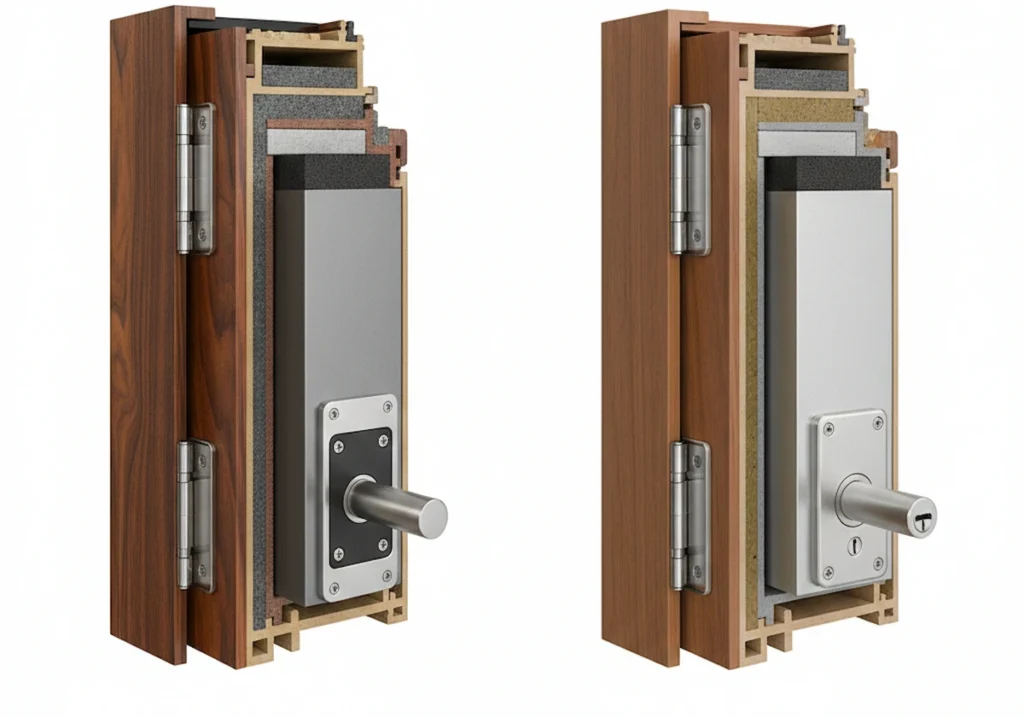
The difference becomes obvious during break-ins. Quality security doors handle the kind of brutal force that destroys budget alternatives within seconds. Their mesh stays locked in place while cheaper options fail at the first real test.
Certain features dramatically improve your security door’s performance and lifespan. As a result, they’re worth every extra dollar you spend upfront.
So what should you actually look for when comparing options?
These features cost more upfront but save you from replacing failed security doors in just a few years. Quality security screen products protect your investment and your family simultaneously.
Now that you know what quality looks like initially, here’s how those doors perform after years of Brisbane weather and daily use. Premium security doors maintain their strength and appearance after ten years of daily use and harsh Australian weather exposure.
We’ve found through hands-on work that cheap doors and screens develop rattles, loose hinges, and mesh sag within three years. This requires expensive repairs or complete replacement that wipes out any initial savings you thought you made.
Corrosion resistance in quality materials means coastal homes avoid the rust problems that destroy inferior security screens rapidly (and the damage adds up fast). Stainless steel mesh holds up in salty air while cheaper alternatives start degrading. Once installed properly, quality security doors continue protecting your home year after year without constant maintenance or replacement cycles.
Not every home needs maximum-security doors, but every home deserves protection that actually works when tested. Different security door types serve varying security needs, from basic insect screens to maximum-security barriers for high-risk areas.
Here’s where it gets tricky when choosing the right option for your situation.
|
Door Type |
Security Level |
Best For |
|
Security screen doors |
Basic to Medium |
Insect protection with light security |
|
Sliding security doors |
Medium |
Patio and back door access |
|
Hinged security doors |
High |
Front door primary entry points |
|
Heavy-duty mesh doors |
Maximum |
High-risk areas, storm protection |
Material choices affect durability and maintenance significantly. When comparing steel vs aluminium security door options, stainless steel mesh outperforms standard aluminium in demanding coastal environments. The table above shows how different security screens match specific home needs and protection levels.
Knowing your specific requirements helps match the right product range to your budget without paying for features you don’t actually need for adequate home security.
Professional assessments reveal your home’s weak points and show exactly which security level fits your suburb and budget. A professional installation expert identifies your home’s vulnerabilities and recommends appropriate security doors based on your area’s break-in patterns.
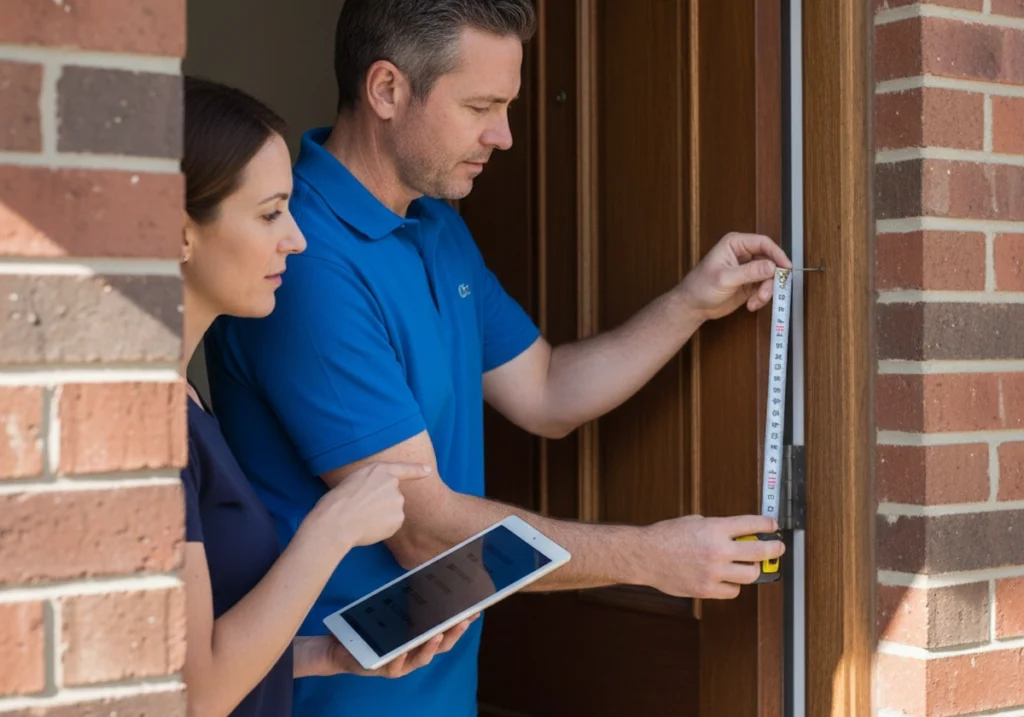
Accurate measurements ensure custom security doors fit perfectly (not the most exciting task, admittedly). This eliminates installation gaps that compromise both security and insect protection effectiveness in your windows and doors.
However, free measure and quote services let you compare quality levels and pricing without pressure or upfront costs. Ultimately, this gives you time to evaluate different security screens and make informed decisions about protecting your home properly.
Spending $2,000 instead of $800 sounds excessive until you calculate what cheap security doors actually cost over ten years. Fair warning, though. The numbers tell a different story than most people expect.
Premium security doors cost more upfront, but avoid the replacement cycle that makes cheap options expensive over time:
Quality installation prevents the repair costs and home security failures that plague budget doors within their first few years. Enhanced protection and insurance recognition offset initial investment through reduced premiums. So when you consider long-term value, security doors are a smart investment that pays for itself while keeping your family secure.
The difference comes down to this. You either pay once for quality or pay repeatedly for cheap doors that fail.
Choosing quality security doors protects your family now and saves money over time by eliminating repeated replacements. The investment in proper protection pays dividends through decades of reliable security and peace of mind.
Getting a professional assessment shows you exactly what quality looks like compared to basic options in your price range. You’ll see the differences in mesh quality, frame construction, and hardware that separate real protection from decorative screens.
Start with a free measure and quote to understand which features matter most for your home’s specific needs. Get in touch with Enfant Terrible – leading security door provider to receive expert guidance without pressure, giving you confidence that you’re choosing protection that actually works when it counts most.
Professional door installers bring the technical knowledge needed to keep... Read more →
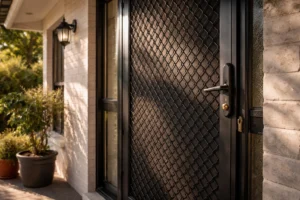
A security door protects your home only when every component... Read more →
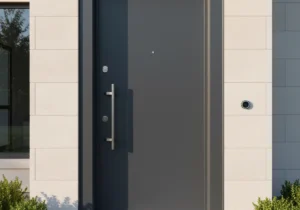
Door entry accounts for 40.9% of residential burglaries in Australia.... Read more →
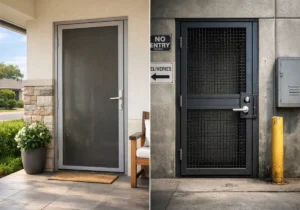
Are you struggling to understand the difference between residential and... Read more →
Have you ever walked past a door in your home... Read more →
Our team of qualified professionals lets us provide the highest quality products and services for our customers. We believe in collaboration and innovation. We manufacture security doors following highest standards and ensure that they are robust enough to last many years.