Why Professional Installation Matters for Door Security
Professional door installers bring the technical knowledge needed to keep... Read more →

Home » Door Guide » Simple Warning Signs Your Door Needs Replacing
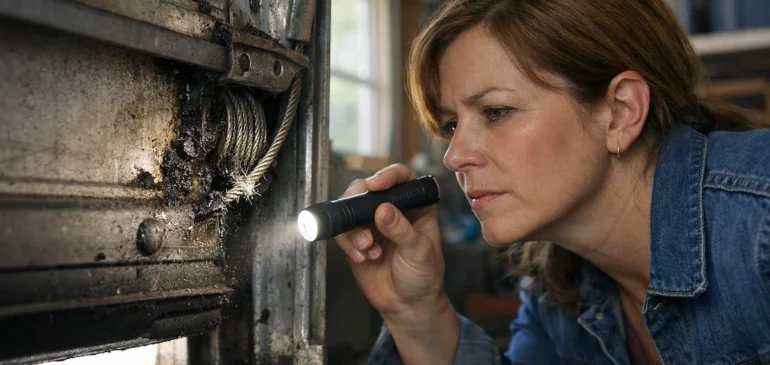
Have you ever walked past a door in your home and thought, “Something feels a bit off here”? Well, it happens quite commonly, and those early signs often show up as sticking, dragging, or small gaps you didn’t notice before.
While we’ve all ignored a sticking door at some point, hoping it would sort itself out, it rarely does. So if you want a simple way to spot early door replacement signs, this guide will walk you through the changes you can see clearly and the ones that take time to show.
Here’s what we’ll cover:
Read on, and let’s make things clearer together.
Sometimes the first warnings are the ones people walk past every day. You might notice small scratches on the wood, tiny gaps around the shape of the frame, or a bit of door signage starting to loosen. These things seem harmless at first, but they often point to what’s starting to go wrong with the door itself.
If you feel a draft even when the door is closed, that usually means the seal is no longer doing its job, and air is slipping through. On wooden doors, soft or spongy spots often mean moisture has worked its way in and weakened the surface.
Even light slipping through the size line of the frame can help you identify early movement. A simple check is to close a piece of paper in the door and give it a tug. If it slides out easily, the seal isn’t holding as it should.
And if door signs, plates, or a door plaque showing opening hours start peeling or shifting, especially in a shop or business, that’s another hint the frame has moved. Sometimes the text, colour, or even an acrylic sign stays straight while the door behind it doesn’t.
When these warning signs appear, they usually point to changes worth addressing before visitors start noticing them too.
Door damage becomes unsafe when the structure no longer supports proper alignment, secure closing, or controlled movement.

In most cases, safety issues begin with small movements in the frame or changes in the materials you can’t see at first. For example, a loose hinge slowly pulls the door out of alignment and puts stress on the timber, which no longer meets basic safety requirements.
Some door safety requirements sit inside the National Construction Code. For example, the NCC’s Specification C3.4 says required fire doors must comply with AS 1905.1 (and be tested to AS 1530.4), which is why alignment, hinges, and fit count when the door forms part of a fire-rated system.
We’ve seen many doors fail unexpectedly because someone ignored a tiny wobble that later affected how the whole thing sat in its fit. When that happens, the door may not close properly, which means it isn’t as secure as you think. A weakened frame also makes the door far easier to force open, especially compared to a solid, well-fitted choice.
Another problem occurs when a frame starts to move out of place. You might identify it by a latch that feels off or a corner that no longer lines up. If a professional didn’t handle the installation, those early changes tend to show up sooner and stay for a long time, often increasing the eventual cost.
Now that you know how safety problems start, it helps to understand why these issues appear even faster on busy work sites.
An office door handles constant opening, closing, and contact throughout the day, so it needs attention earlier than those at home.
Staff move between rooms every few minutes, often pushing doors open with hands, shoulders, or equipment. That repeated action puts steady pressure on hinges, frames, and latches, and it shows sooner than people expect.
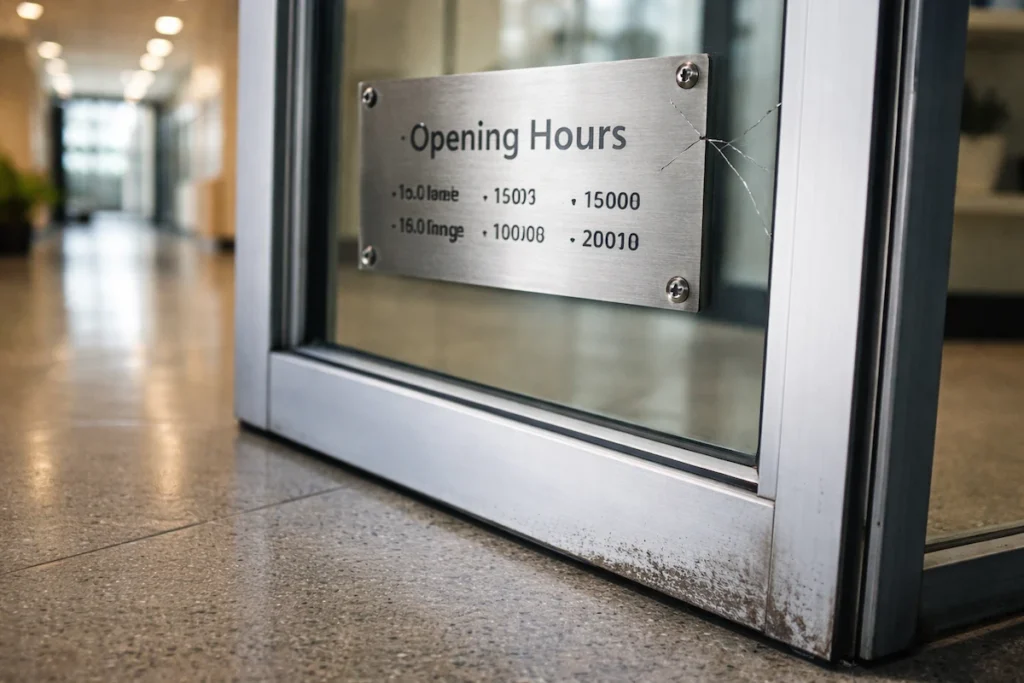
In a business setting, doors also carry fixed items like signage, a logo, or opening hours plates. Installers usually screw or stick these directly onto the surface. And as the door shifts with use, that added load affects balance, alignment, and even the small gaps around fittings.
You might notice fading colour around the edges or small gaps forming near the hardware, which point to movement underneath.
Drawing from what we see on commercial premises, wear rarely spreads evenly across the door’s surface. Hinges loosen on one side, frames twist slightly, and alignment problems appear earlier than they do in homes, regardless of the range or design used.
Some of the most serious door signs never sit on the surface. A door can look fine at a glance, match the style, and still hide problems inside the frame.
And that’s where things get interesting. A lot of damage starts without anyone noticing, especially when someone uses the wrong materials or the original installation didn’t meet basic building requirements.
These hidden issues usually show up in two main ways.
Inside the door, moisture can settle into wood, swell the core, and weaken the structure over a long period. This is common in doors that were meant to be durable but were exposed to water more often than expected. With glass panels, even a small insert can fog once the seal fails, which means air and moisture are getting between the panes.
We’ve also seen door signage and personalised plates stay perfectly straight while the door behind them slowly shifts. From the outside, the image still looks neat, but the strength underneath isn’t there anymore.
In many cases, deeper cracks, splintering timber, or warped edges change the shape of the door and confirm that the damage has already set in.
Useful Tip: If the same scratch, swelling, or soft spot keeps coming back after repairs, replacement usually costs less in the long run.
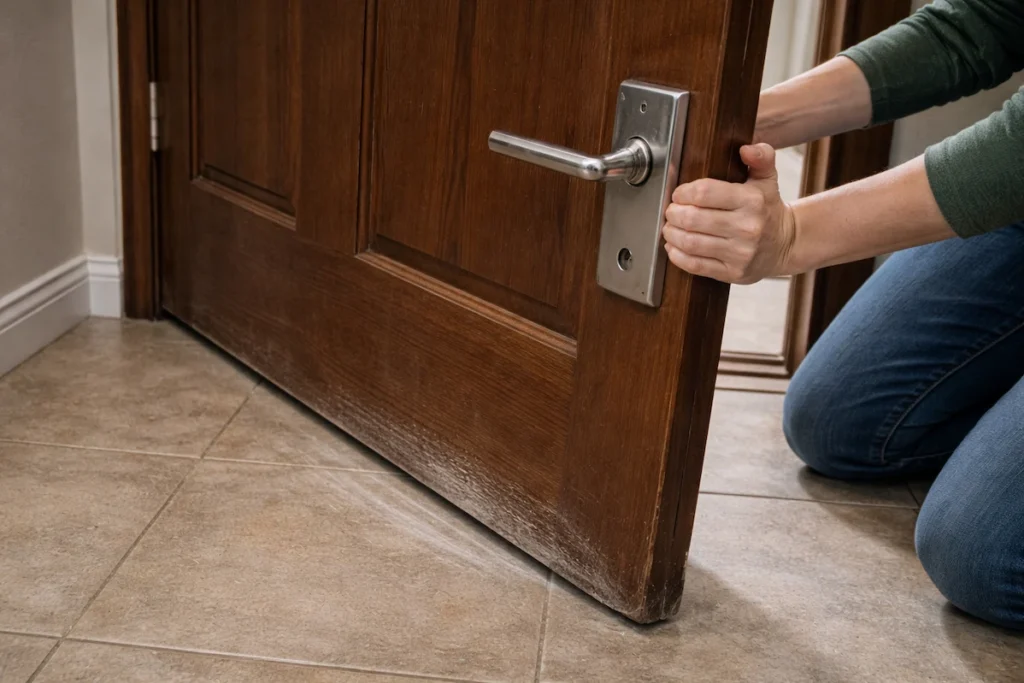
This is where the issue becomes hard to ignore. The door drags, the fit feels off, and opening it is no longer easy for the average person. Over time, locks stop lining up, and the door won’t close cleanly, which also affects how secure it feels.
Different designs, types, and a wide range of doors react differently to movement, but this kind of shifting rarely settles on its own. If a door drags for weeks or needs constant adjustment, the frame usually needs checking before the problem grows into a safety issue.
Once people start spotting door signs, a few practical questions usually follow. That’s fair, because not every issue points to the same outcome.
These quick answers help you judge what you’re seeing and what to do next.
Most doors last around 15 to 30 years, depending on the materials, daily use, and conditions inside the home. Regular cleaning, tightening hinges, and resealing timber can help a door last longer.
Often, yes. Loose hinges affect fit, make the door less secure, and rarely improve on their own. If tightening doesn’t help, have the frame checked by a professional.
In many offices and business spaces, constant use plus added signage, plates, and labels places extra strain on the door and frame, causing earlier wear.
Older doors often lack modern features like multi-point locks or reinforced cores. In those cases, replacing with a custom door can be a safer long-term choice before issues force a rushed order.
By now, you can probably identify the early signs a door gives when something isn’t right. And let’s be honest, dealing with it sooner is usually the wiser choice. A quick check today can save you extra cost and stress later, especially in a busy home.
If the signs keep showing up, it may be time to speak with a professional and look at your options. There’s a wide range of solutions available, and acting early helps you stay in control instead of reacting at the last minute.
Need a second opinion? Get in touch with Enfant Terrible Shop to talk it through before small issues cause further damage.

Professional door installers bring the technical knowledge needed to keep... Read more →
A security door protects your home only when every component... Read more →
Door entry accounts for 40.9% of residential burglaries in Australia.... Read more →
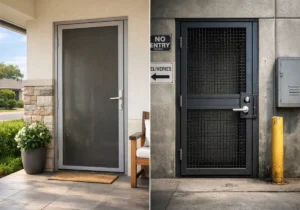
Are you struggling to understand the difference between residential and... Read more →
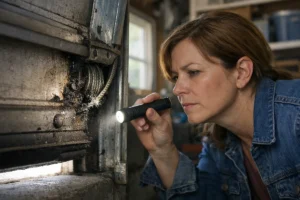
Have you ever walked past a door in your home... Read more →
Our team of qualified professionals lets us provide the highest quality products and services for our customers. We believe in collaboration and innovation. We manufacture security doors following highest standards and ensure that they are robust enough to last many years.